


Research Vessels
The Ocean-Atmosphere Interface: Bridging the Observation Gap
Approximately 70 % of Earth’s surface is covered by oceans, making the interaction between ocean and atmosphere one of the most critical drivers of weather and climate. Yet, the vast majority of conventional meteorological observation stations are located on land. While satellite observations help fill the data gap over the oceans, obtaining high-resolution measurements near the ocean surface remains a major challenge—despite this region being the primary zone for air-sea exchange, which governs key climate processes.
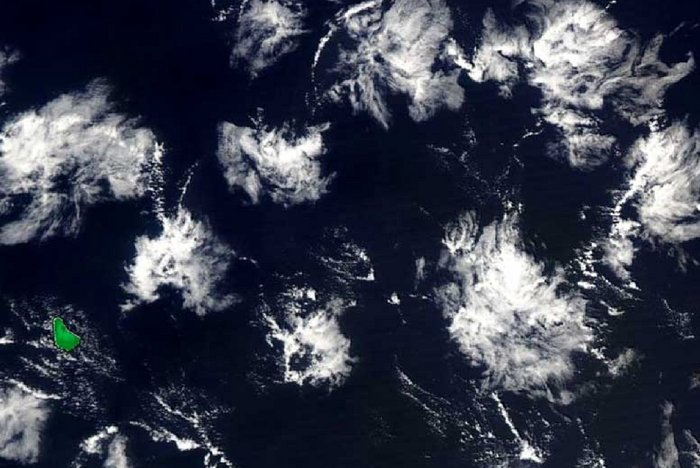
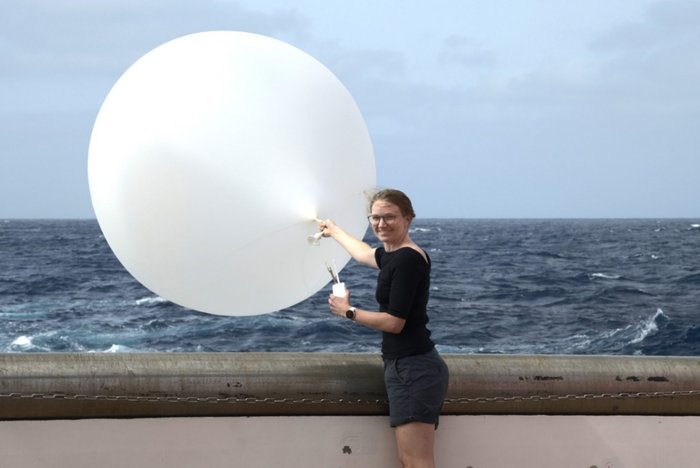
Moreover, much of our research focuses on clouds and their interactions with the environment. However, from space, it is often impossible to see through cloud layers, limiting the effectiveness of remote sensing. To overcome these observational constraints, our institute complements its work at the Barbados Cloud Observatory and airborne campaigns with in-situ measurements conducted aboard German research vessels.
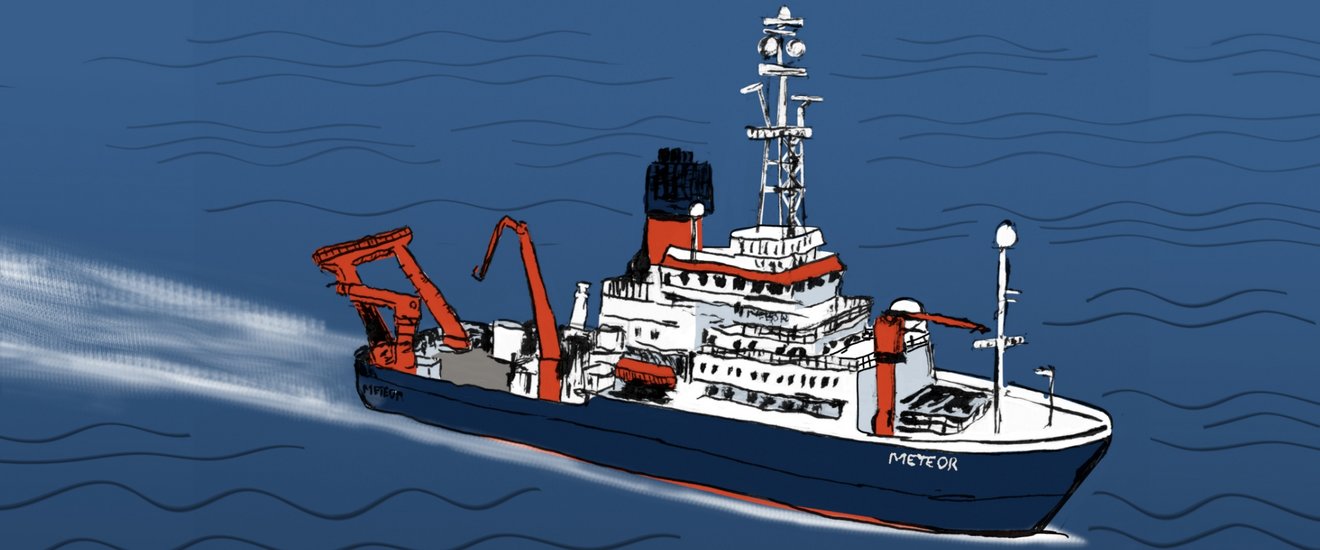
Germany operates a fleet of seven research ships, each specialized for large-scale operations in specific oceanic regions. Our institute primarily utilizes the Polarstern, Meteor, Sonne, and Maria S. Merian. These vessels have been central to major international campaigns such as EUREC4A and BOW-TIE, coordinated by the Max Planck Institute for Meteorology. Ranging from 95 to 118 meters in length, the ships can accommodate between 22 and 50 scientists, providing ample space for interdisciplinary research.
For detailed information on each vessel, visit the official portal German Research Vessels. While our institute focuses on atmospheric and oceanographic measurements, the ships also support research in biology, geology, geophysics, glaciology, and geochemistry—fostering rich interdisciplinary collaboration.
Current scientific activities aboard the Meteor, Sonne, and Maria S. Merian are regularly reported in weekly updates from the German Research Fleet Coordination Centre. Scientists can apply for onboard measurement time by submitting a research proposal via the official portal. Final approval is granted by an international expert review panel, ensuring high scientific standards and equitable access.
By combining satellite data, airborne campaigns, ground-based observatories, and shipborne measurements, we are building a more complete picture of the ocean-atmosphere system—essential for understanding and predicting climate change.