



![[Translate to English:]](/fileadmin/_processed_/7/7/csm__HALO-spotted-from-Meteor_Credit-James-Ruppert_University-of-Oklahoma_f02edee888.jpg "[Translate to English:]")
ORCESTRA: Half-time for the tropical cloud experiment
MPI-M researchers and their partner institutions are currently performing atmospheric measurements over the equatorial Atlantic with eight…
![[Translate to English:]](/fileadmin/_processed_/f/c/csm_T_Orcestra_Wolken_38a6d5472a.jpg "[Translate to English:]")
ORCESTRA: Exploring Tropical Clouds and their Impact on Climate
The ORCESTRA started his performance on August 10th in Cap Verde. The PERCUSION gives the beat by flying back and forth across the belt of deep rain…
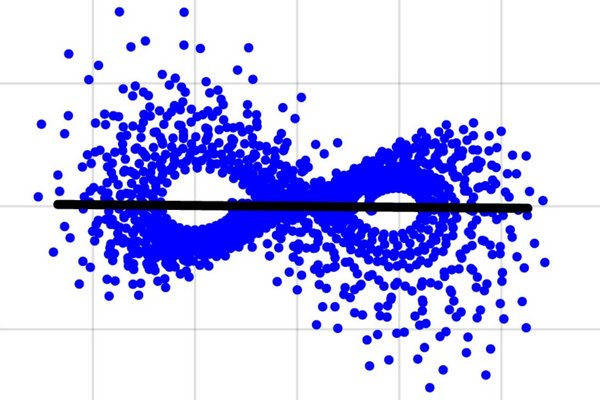
Why is climate stochastic?
A time series of a climate variable often resembles a random sequence. This apparent randomness is generally attributed to the unpredictable and…

Humboldt Research Awardee Stephen Sitch at Max Planck Institute for Meteorology
Professor Stephen Sitch, a world-leading scientist from the University of Exeter, UK, scientist with outstanding achievements in terrestrial carbon…
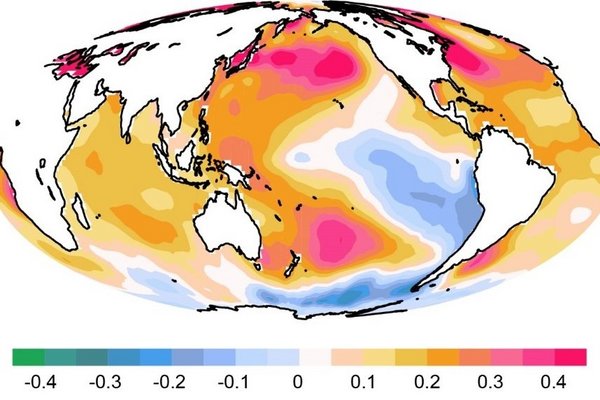
Changes to the Warming Pattern in the Tropical Pacific
The Earth is rapidly warming in response to human-induced greenhouse gas emissions. The warming is however not uniform, with some areas of the Earth…
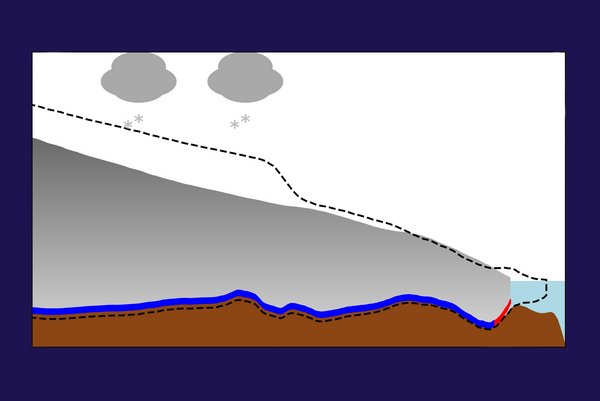
A new mechanism for synchronising Heinrich events with Dansgaard-Oeschger cycles
The northern hemisphere climate during the last glacial period (about 65,000-15,000 years before present) was dominated by two prominent signals of…
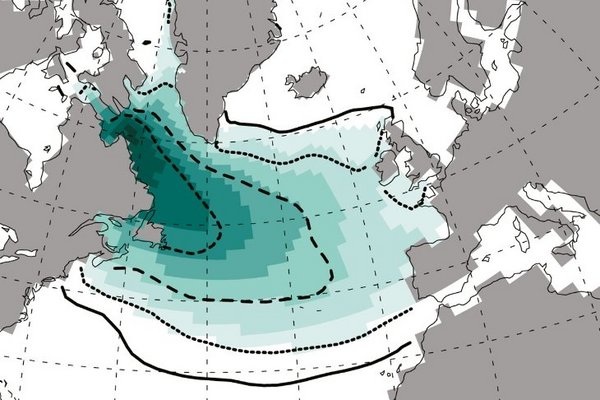
Including icebergs in computer models helps to better understand past climate change
In their new study Olga Erokhina and Uwe Mikolajewicz showed that adding icebergs to climate models can help scientists better understand the…
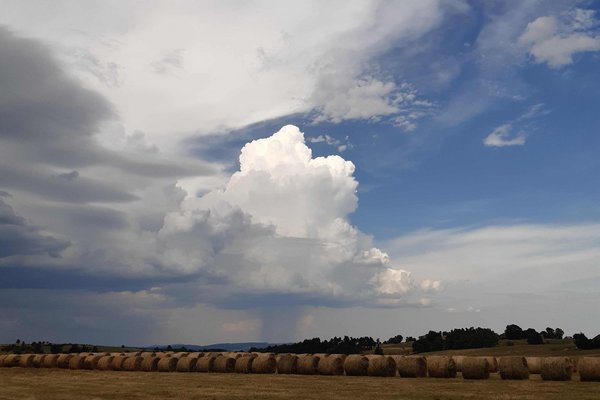
Rain rather likes dry soils in a next-generation global climate model
In a recent study, Dr. Junhong Lee and Dr. Cathy Hohenegger show that a next-generation climate model exhibits a different relationship between water…

Coordinating climate modeling to stimulate climate science
In a commentary recently published in AGU Advances, Prof. Bjorn Stevens, Director of the Climate Physics Department of the Max Planck Institute for…
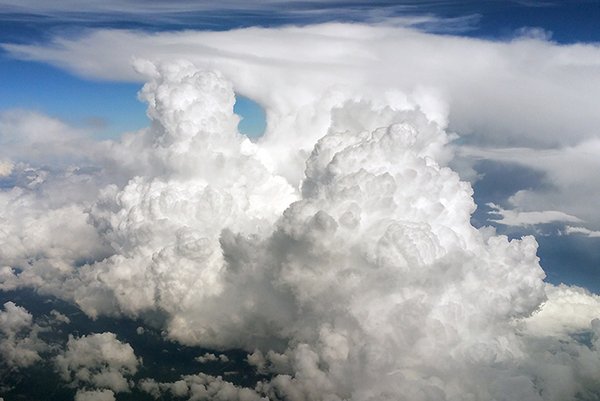
Insights into the thermal structure of the tropical troposphere
When you feel the wind on your face, see clouds in the sky, and watch a bird flap its wings in flight, you’re experiencing the troposphere. It is the…
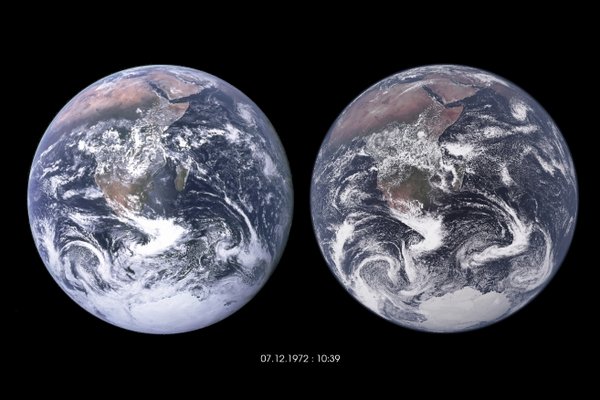
Weather and Climate Model ICON published under Open Source License
The scientific and research community in Germany and Switzerland is setting a milestone in climate and weather research: Since January 31, 2024, the…
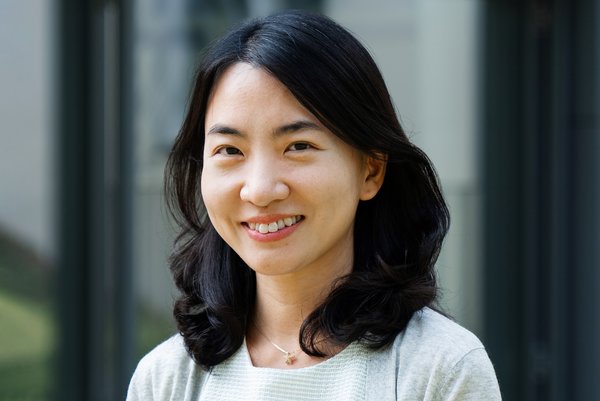
Climate Dynamics research field — a portrait of new director Sarah Kang
When she opens the door to her office and invites you in with a friendly smile, it quickly becomes clear: Sarah Kang is still new at the Max Planck…