




Recurring cases of Saharan and Sahelian greening over the past 800,000 years
A humid climate in the Sahara and Sahel played a critical role in shaping the environment for early human settlement and migration. A new study…
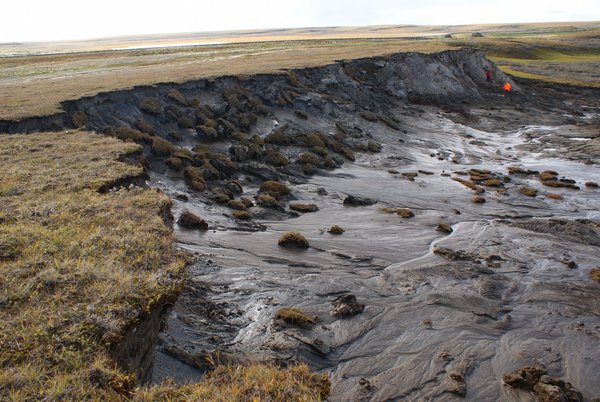
Permafrost thaw: Gradual change or climate tipping point?
Global warming leads to Arctic permafrost thaw and the subsequent release of carbon dioxide and methane into the atmosphere. These changes are…

A puzzling temperature pattern in the tropical Pacific
The tropical Pacific not only impacts the weather in various regions of the world, but also determines the overall response of the climate system to…

Southern Ocean warming leads to wetter Pacific coasts for centuries to come
An astonishing teleconnection originating in the Southern Ocean is causing East Asia to face wetter summers and the western USA wetter winters in the…

Embracing diversity for the future of climate modeling
What's next for climate modeling? Five internationally recognized female scientists have joined forces to come up with an answer. They argue: Instead…
![[Translate to English:]](/fileadmin/_processed_/a/5/csm_Noel_Hans_Chao_cbb534cbaa.jpg "[Translate to English:]")
Ocean, convection, adaptation: three new working groups starting at MPI-M
Three new working groups recently established at the Max Planck Institute for Meteorology (MPI-M) are tackling cutting-edge issues in climate…
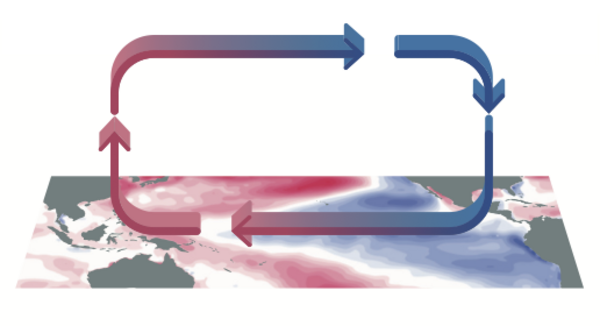
Study explains unexpected recent strengthening of the Walker circulation
The Walker circulation, an atmospheric circulation pattern in the tropics, has accelerated in recent years, puzzling climate scientists who had…
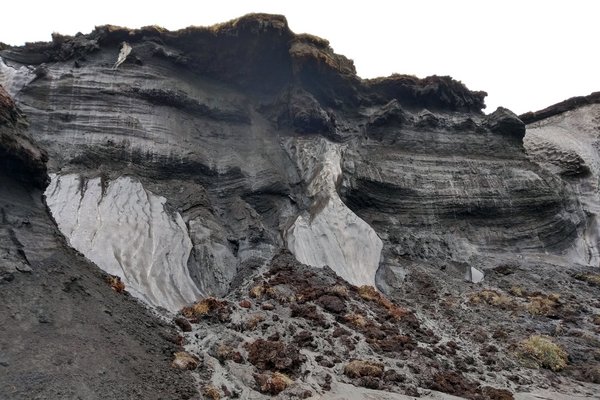
The precarious future of permafrost
The Arctic is heating up particularly fast as a result of global warming – with serious consequences. The widespread permafrost in this region, where…
![[Translate to English:]](/fileadmin/_processed_/0/3/csm_T_Tropics_Workshop_1_d9ea122542.jpg "[Translate to English:]")
Solving the Pacific Puzzle: TROPICS workshop meets at MPI-M
Upon invitation by MPI-M Director Sarah Kang, world-renowned climate researchers are currently gathering at the Max Planck Institute for Meteorology…

Moritz Günther starts postdoctoral position in the German-Israeli Max Planck-Weizmann Programme
The Max Planck Institute for Meteorology (MPI-M) is pleased to announce that Moritz Günther has started a 4-year postdoctoral position in the…
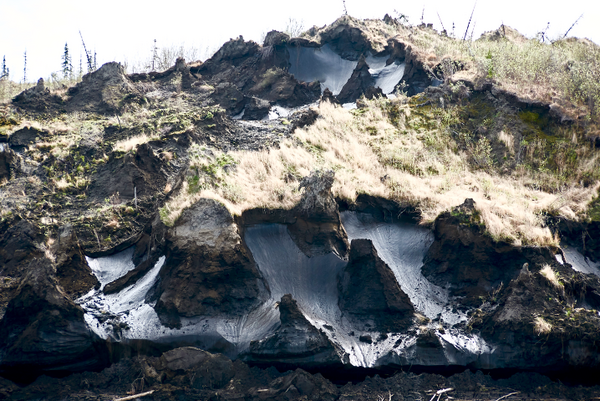
Climate change amplified by permafrost cloud feedback
Researchers at the Max Planck Institute for Meteorology shed light on what may happen if the frozen soils thaw in response to global heating.…

Humboldt Research Awardee Stephen Sitch at Max Planck Institute for Meteorology
Professor Stephen Sitch, a world-leading scientist from the University of Exeter, UK, scientist with outstanding achievements in terrestrial carbon…