



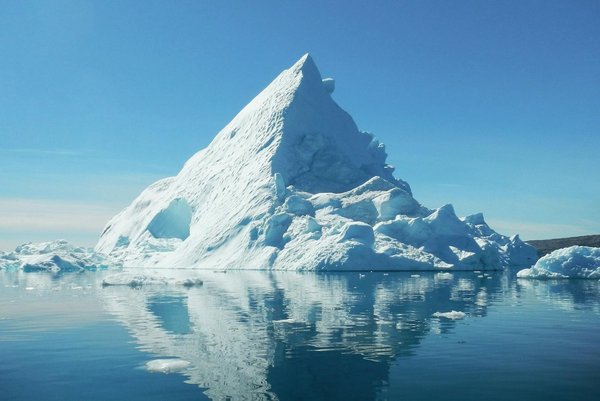
New climate model reveals the triggers of abrupt climatic changes in the past 20,000 years
Between the last glacial maximum and today, humans were exposed to severe changes of the climate: Coastal settlement areas were lost due to rising…
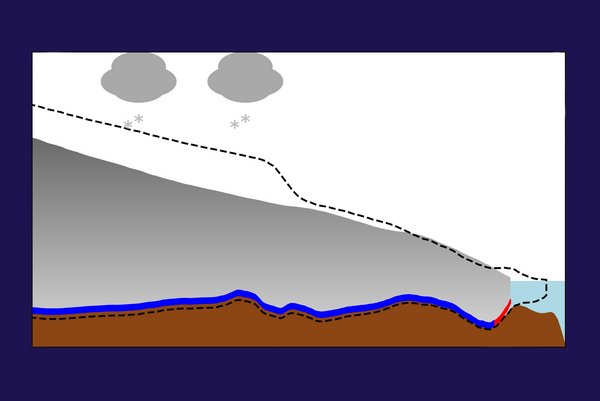
A new mechanism for synchronising Heinrich events with Dansgaard-Oeschger cycles
The northern hemisphere climate during the last glacial period (about 65,000-15,000 years before present) was dominated by two prominent signals of…
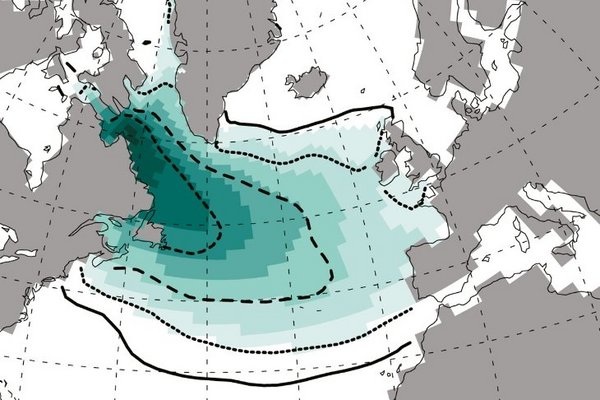
Including icebergs in computer models helps to better understand past climate change
In their new study Olga Erokhina and Uwe Mikolajewicz showed that adding icebergs to climate models can help scientists better understand the…
Focus: The big melt | Marie-Luise Kapsch, Clemens Schannwell
Climate change is melting the ice sheets of Greenland and Antarctica and causing sea levels to rise. This could be a disaster for island states and…
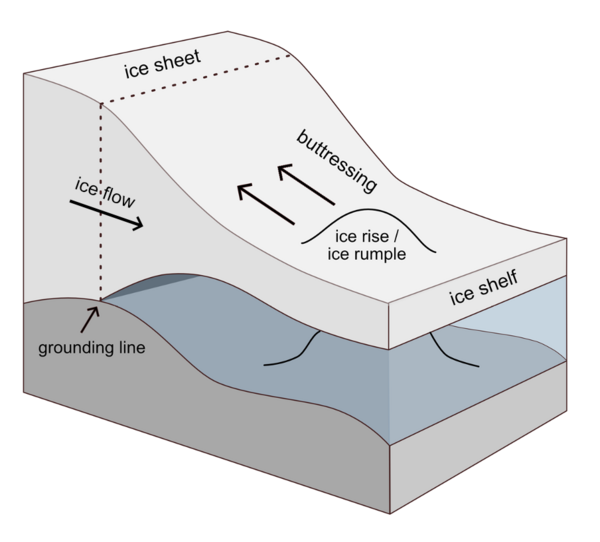
How ice rises and rumples affect the Antarctic ice sheet
In a study in The Cryosphere, researchers at the Max Planck Institute for Meteorology examined the effect of basal friction and sea level variation…